Maintenance & Tips
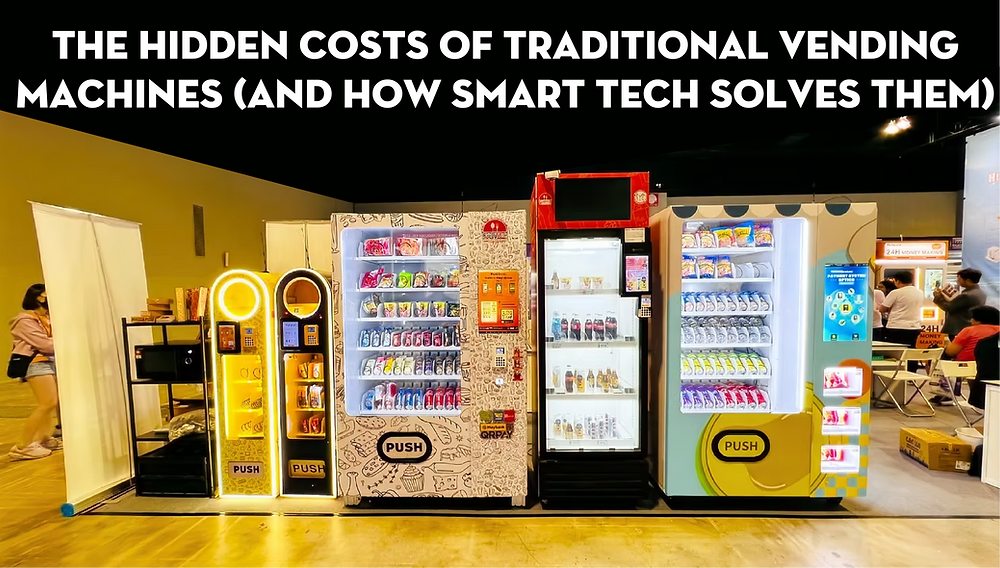
The Hidden Costs of New Vending Machines (and How Refurbished Models Save You More)
Oct
When you’re starting a vending business, it’s tempting to go straight for brand-new vending machines — after all, they look sleek, come with warranties, and feel “safe.” But what most buyers don’t realize is that new machines come with hidden costs that can quietly eat into your profits.
Let’s break down those costs — and show you why refurbished vending machines often deliver better returns for your investment.
1. The High Upfront Price Tag
The most obvious difference is the purchase price.
A new vending machine typically costs between $4,000 and $9,000, depending on size, features, and brand.
Refurbished vending machines, by contrast, range between $800 and $3,500 — that’s an instant savings of 50–70%.
💡 For example, you can find reliable refurbished models like the Seaga HY2100-9 or Dixie Narco 501E at Highend Vending for a fraction of the cost of new ones.
2. Rapid Depreciation
Just like cars, new vending machines lose value the moment they’re installed. Within the first year, you can expect depreciation of 20–30%, which is a big hit if you decide to upgrade or resell later.
Refurbished machines, on the other hand, have already gone through their major depreciation phase. Their resale value remains stable and predictable, giving you more financial flexibility as your business grows.
3. Proprietary Parts and Software
Most new vending machines use brand-specific parts and software, meaning you’re often locked into a single supplier for replacements and upgrades.
Refurbished machines are typically compatible with standard, widely available components, making parts easier — and cheaper — to source.
You can also upgrade refurbished machines with modern features like cashless payment systems (see examples here) without needing expensive OEM integrations.
4. Costly Upgrades and Technology Fees
Modern new machines often come with subscription-based features, such as remote inventory tracking or digital display licensing. These can add $20–$50 per month in recurring costs.
Refurbished machines, however, allow you to choose only the tech you need — no unnecessary features or hidden monthly fees.
5. Insurance and Financing Fees
Because new vending machines have a higher asset value, insurance premiums and financing costs are also higher.
Refurbished machines reduce both — meaning lower monthly payments and faster ROI.
For business owners just starting out, this can make the difference between a profit and a struggle in the first year.
Q & A: New vs Refurbished Vending Machine Costs
Q1: Why are new vending machines so expensive to maintain?
A: New machines often require brand-specific parts, paid software updates, and higher insurance — all adding to long-term costs.
Q2: Are refurbished vending machines reliable for new business owners?
A: Yes. When purchased from a trusted refurbisher like Highend Vending, refurbished machines are fully tested, upgraded, and often backed by warranty.
Q3: Can refurbished vending machines handle modern payment systems?
A: Absolutely. Most refurbished models are compatible with card readers and mobile payment systems like Nayax or ePort Engage.
Conclusion
The hidden costs of new vending machines — from rapid depreciation and high parts prices to unnecessary tech fees — can quietly drain your profits.
Refurbished vending machines, by contrast, offer lower ownership costs, flexibility, and faster returns, making them the smart choice for both new entrepreneurs and expanding vending operators.
If you’re looking to grow your vending business without overspending, refurbished is the way to go.
🚀 Ready to start saving on your vending business investment?
Explore our collection of high-quality refurbished vending machines at Highend Vending — every unit is fully tested, restored, and ready to earn for you from day one!
